Brain Haemorrhage: Emergency Treatment and Neurorehabilitation
A brain haemorrhage is a serious medical emergency caused by bleeding inside or around the brain. It can suddenly affect movement, speech, balance, coordination and consciousness.
Immediate hospitalisation and appropriate medical treatment are essential. Once the patient is medically stable, rehabilitation can help improve movement, function and independence.
1. Types of Brain Haemorrhage
Intracerebral Haemorrhage (ICH): Bleeding occurs within the brain tissue and is commonly associated with high blood pressure.
Subarachnoid Haemorrhage (SAH): Bleeding occurs in the space surrounding the brain and may result from a ruptured aneurysm.
Subdural and Epidural Haematomas: These usually occur following a traumatic head injury.
2. Causes and Risk Factors
Common causes and risk factors include:
• Uncontrolled high blood pressure
• Brain aneurysms
• Abnormal blood vessel formations
• Head injuries and trauma
• Certain blood-thinning medications
• Bleeding disorders
• Cerebral amyloid angiopathy
3. Warning Signs
Symptoms can develop suddenly and may include weakness or paralysis on one side, facial drooping, difficulty speaking, severe headache, vomiting, dizziness, loss of balance, visual problems, seizures or loss of consciousness.
A suspected brain haemorrhage requires immediate emergency medical attention. Do not wait for symptoms to improve or attempt treatment at home.
4. Emergency Medical Treatment
Hospital treatment may include brain imaging such as CT or MRI, blood pressure management, management of increased pressure inside the skull, treatment of seizures, reversal of certain blood-thinning medications and neurosurgical intervention when required.
Emergency medical and neurosurgical care always takes priority. Acupuncture and outpatient rehabilitation are not substitutes for emergency treatment.
5. Rehabilitation After Stabilisation
After a brain haemorrhage, patients may experience weakness, paralysis, poor balance, difficulty walking, reduced arm and hand function, abnormal muscle tone or difficulty performing everyday activities.
Rehabilitation should begin when considered safe by the treating medical team. Treatment focuses on improving movement control, relearning functional activities, restoring mobility and increasing independence.
6. Our Integrated Neurorehabilitation Approach
At Dr. JHA Physiotherapy & Acupuncture Centre, rehabilitation is individually planned according to the patient's condition, movement limitations, balance, strength and functional abilities.
Our approach combines:
• Scalp and Body Acupuncture
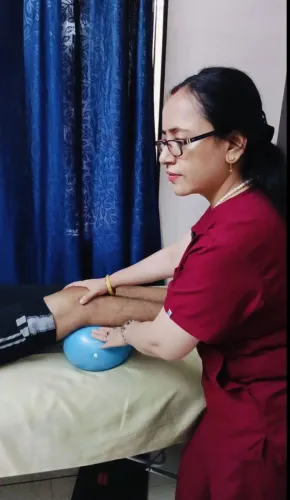
• Neurodevelopmental Physiotherapy
• PNF
• Bobath Concept
• Rood's Approach
• Task-specific functional training
• Guided home exercises
Acupuncture is used as a complementary therapy alongside active rehabilitation.
7. Neuroplasticity and Functional Recovery
Repetitive, progressive and task-specific rehabilitation can support neuroplasticity, helping the nervous system adapt after injury.
Our focus is on motor relearning, coordination, functional movement and consistent practice. Although neurological processes such as changes in neural connections and angiogenesis are being studied in stroke recovery, it has not been established that our specific combination of acupuncture and physiotherapy accelerates these processes or produces faster recovery than conventional rehabilitation.
8. Working Towards Independence
Treatment sessions are individually designed according to the patient's condition and endurance. Patients and family members may also be guided through home exercises to support progress between sessions.
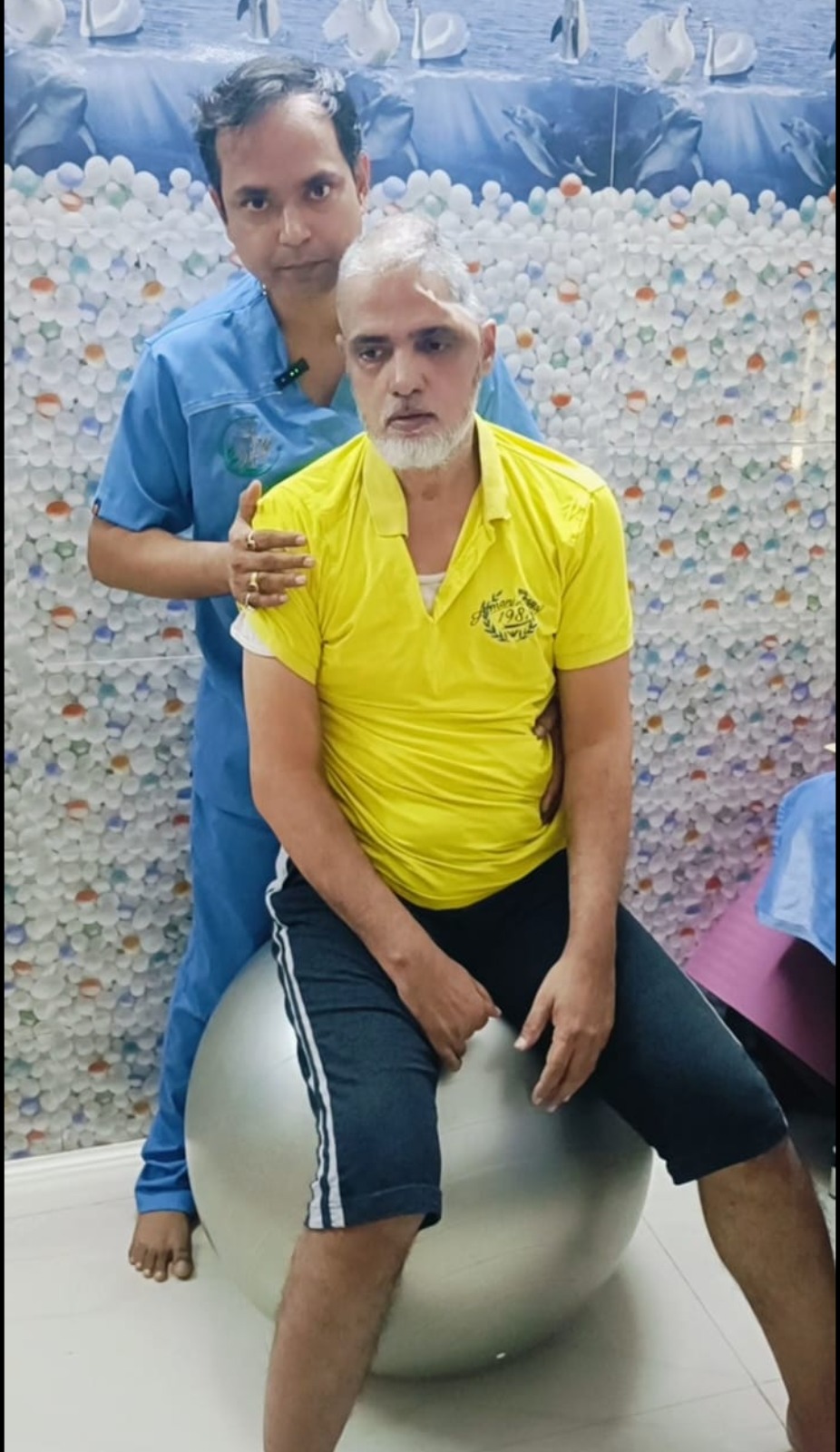
Rehabilitation goals may include improving sitting and standing balance, arm and hand function, walking, coordination and participation in everyday activities.
At Dr. JHA Physiotherapy & Acupuncture Centre, our aim is to help patients achieve meaningful functional progress and work towards a more independent and active life.
Dr. JHA Physiotherapy & Acupuncture Centre
Mira Road (E) | Vasai (W) | Surat
Appointments: 9146036559